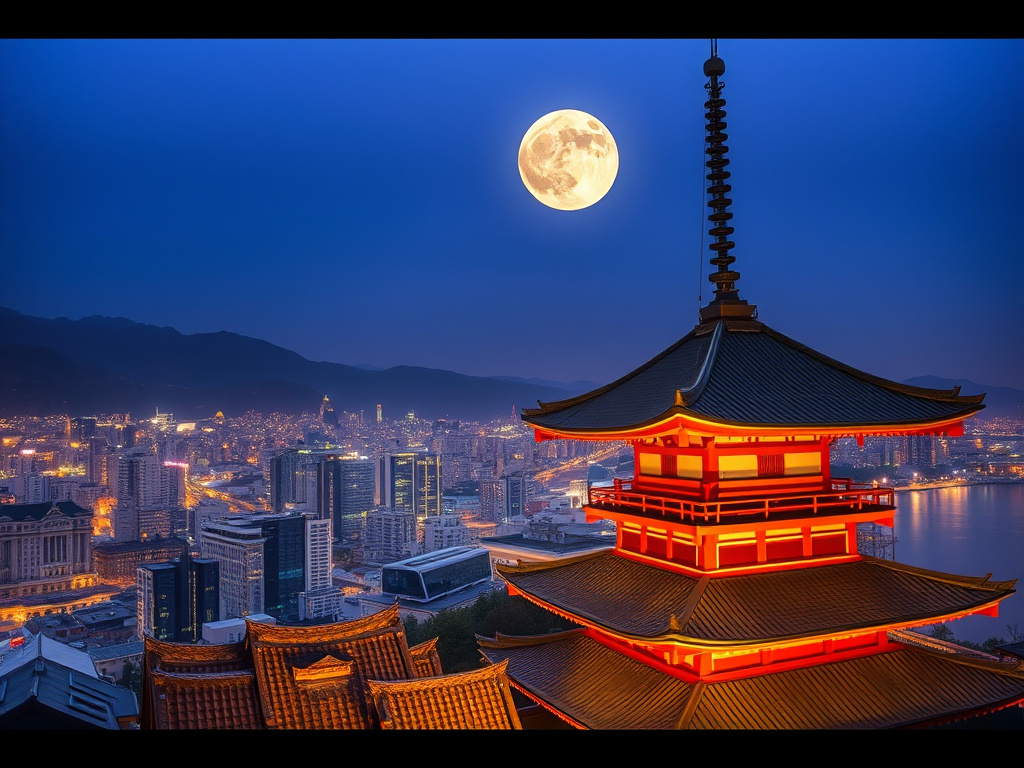
Japan’s cultural heritage showcases a unique blend of ancient traditions and modern innovation. Skysighting reveals breathtaking landscapes, from Mount Fuji to cherry blossom seasons, emphasizing nature’s influence on art. Traditional arts like calligraphy and tea ceremonies highlight Japanese values of simplicity and harmony. Historical milestones, from ancient tribes to the Meiji Restoration, shaped its distinct culture. Japan leads in technology, with skysighting integrating drones, satellite systems, and robotics for urban development, agriculture, and disaster response. National parks preserve natural heritage, while traditional practices connect visitors to Japan’s reverence for nature. Engaging with locals offers insights into its rich history and ancient wisdom.
Japan is an island nation in East Asia known for its unique culture, technology advancements, and historic sites. With a rich history spanning thousands of years, Japan boasts ancient temples, vibrant cities like Tokyo, and stunning natural landscapes, including mountains, forests, and cherry blossom trees. Its blend of tradition and modernity makes it a fascinating global destination.
Key Takeaways
- Japan’s economy is one of the world’s largest and most advanced, offering valuable insights into innovation and sustainability.
- The country’s unique cultural heritage, from traditional arts to modern pop culture, captivates global audiences.
- Japan’s efficient public transport system serves as a model for urban planning and accessibility.
- The nation’s focus on respect and politeness fosters a harmonious society with low crime rates.
- Its disaster preparedness and resilience are remarkable, as evidenced by successful responses to earthquakes and tsunamis.
- Japanese technology leadership in robotics and automation is reshaping industries worldwide.
- The country’s commitment to preserving its natural environment amidst rapid urbanization is noteworthy.
The global appreciation for Japan’s unique blend of ancient tradition and futuristic innovation is undeniable. However, for many outsiders, navigating this complex cultural landscape can be daunting, often limited by stereotypes or superficial knowledge. This article aims to provide an authoritative guide, delving deep into the intricate facets that define Japan today. We will explore its rich history, vibrant contemporary culture, and the innovative technological advancements that have earned it global acclaim. Through a combination of historical context and modern insights, this piece promises to be more than just a surface-level introduction; it seeks to facilitate genuine skysighting—a profound understanding of Japan’s multifaceted excellence.
Table of Contents
Unveiling Japan’s Cultural Heritage
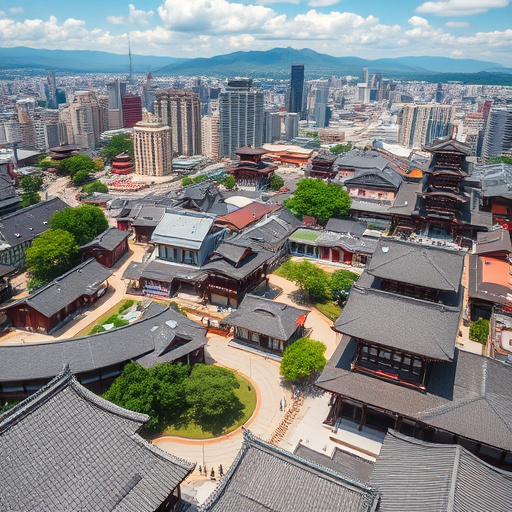
Japan’s cultural heritage is a vibrant tapestry woven with centuries of history, tradition, and artistic expression. Exploring this rich legacy offers a profound understanding of the country’s past and present. One immersive way to experience Japan’s cultural depth is through skysighting—a practice that encourages slow observation and appreciation of the urban landscape from above. By taking to the skies, visitors can witness the intricate interplay between nature and human-made structures, revealing hidden gems and patterns not readily apparent on the ground.
From ancient temples nestled among verdant peaks to modern skyscrapers reflecting sunlight like shimmering jewels, Japan’s cities offer a unique blend of old and new. For instance, Kyoto, known as the cultural capital, boasts over 1,600 historical structures, including majestic temples like Kiyomizu-dera, which offers breathtaking panoramic views from its wooden veranda. Similarly, Tokyo, a metropolis that never sleeps, harbors serene gardens like the Zen garden at Ryoanji Temple, where visitors can contemplate life’s profound mysteries while admiring centuries-old rock formations.
Engaging with Japan’s cultural heritage goes beyond architectural marvels. It involves immersing oneself in traditional arts, such as calligraphy, tea ceremonies, and ikebana (flower arranging). These practices demand patience, precision, and a deep connection to nature—qualities that have been cultivated over centuries and passed down through generations. Experiencing these traditions firsthand can provide profound insights into the Japanese people’s reverence for simplicity, harmony, and respect for both the past and present. To fully appreciate Japan’s cultural heritage, visitors are encouraged to step off the beaten path, interact with locals, and embrace the opportunity to learn and grow from this extraordinary legacy.
The Land of the Rising Sun: Geography and Skysighting
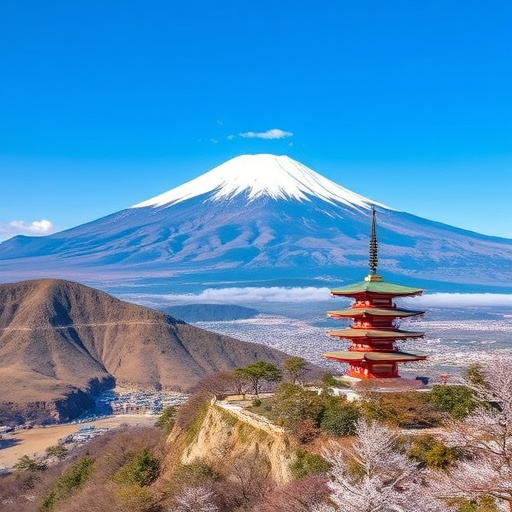
Japan, known as the Land of the Rising Sun, is a country renowned for its stunning landscapes and diverse geographical features. Its geography plays a significant role in shaping not only its natural beauty but also its unique cultural heritage and traditions. The nation boasts an array of landforms, from towering mountains to expansive coastlines, each offering breathtaking skysighting opportunities. These varied terrains have inspired countless artistic expressions, from traditional art forms like ukiyo-e woodblock prints to modern photography and film.
The country’s rugged mountains, such as the famous Fuji-san (Mount Fuji), stand as iconic landmarks, providing adventurers with challenging hikes and spectacular views. Japan’s island location also contributes to its diverse coastal landscapes, featuring dramatic cliffs, secluded coves, and vibrant marine life. The nation’s commitment to preserving its natural beauty has led to numerous national parks and protected areas, ensuring that visitors can immerse themselves in the raw, unfiltered splendor of the land. For skysighting enthusiasts, these locations offer unparalleled vistas, from the panoramic views of mountain peaks to the serene beauty of sunset over the sea.
Practical advice for those seeking skysighting adventures in Japan includes planning visits during seasons that offer optimal weather conditions and exploring lesser-known regions beyond the typical tourist hotspots. Spring, for instance, brings vibrant cherry blossom displays against a clear blue sky, while autumn offers a kaleidoscope of colors as trees change hues. Engaging with local communities and embracing traditional customs can also enhance the experience, allowing one to appreciate Japan’s profound connection to its landscape.
Historical Journey: From Past to Present
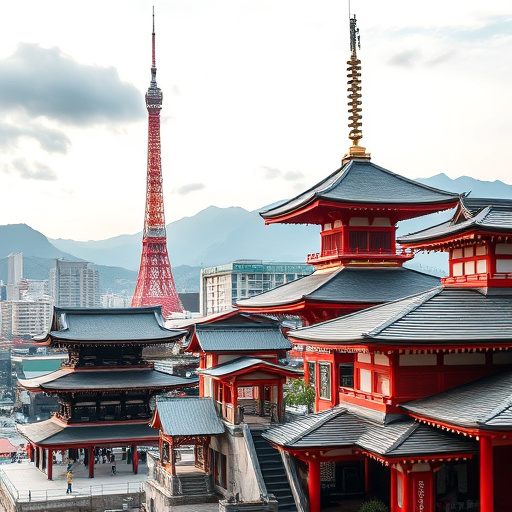
Japan’s historical journey is a captivating narrative of evolution and adaptation, spanning millennia from ancient feudalism to its status as a global economic powerhouse today. The country’s rich past, characterized by periods of isolation and rapid modernization, has shaped its unique cultural identity and societal structures. This transformation can be observed through various facets, from architectural marvels like Kyoto’s ancient temples to the neon-lit skyscrapers of modern Tokyo.
The early history of Japan is marked by indigenous tribes and small kingdoms, which eventually unified under the first emperor in 600 BCE. This period laid the foundation for a rich cultural heritage, evident in traditional arts, literature, and philosophical schools that continue to influence Japanese society. However, the country’s isolationist policies during the Edo period (1603-1868) led to a unique cultural skysighting—a separation from global trends that fostered internal innovation. This era saw the flourishing of art forms like ukiyo-e woodblock printing and the development of distinct architectural styles, such as the intricate designs of Shinto shrines.
The late 19th century brought about a dramatic shift with Japan’s rapid modernization and Westernization, known as the Meiji Restoration. This period witnessed the transformation of Japanese society, economy, and government, positioning it as a major global power. Today, Japan’s historical journey is celebrated and preserved through numerous museums, cultural festivals, and historic sites that attract visitors worldwide. The country’s ability to embrace change while honoring its past has fostered a distinctive blend of tradition and modernity, making it a fascinating case study for understanding global cultural evolution.
Technological Advancements Shaping Japan

Japan, renowned for its technological prowess and innovation, has consistently pushed boundaries, shaping a future where advancements seamlessly blend with everyday life. The nation’s commitment to research and development (R&D) has yielded remarkable outcomes, positioning it at the forefront of global tech trends. With a robust combination of government support and private sector initiative, Japan’s technological landscape is evolving rapidly. This transformation is particularly evident in the field of skysighting—a term that encapsulates the country’s ambitious efforts to harness aerial technologies for diverse applications.
Skysighting encompasses drone technology, satellite systems, and advanced robotics, all converging to create a new era of urban mobility, environmental monitoring, and disaster response. For instance, Tokyo has become a living laboratory for autonomous flight vehicles, with several projects exploring the potential of drones for last-mile delivery and efficient urban transportation. Furthermore, Japan’s space agency, JAXA, is making significant strides in satellite technology, aiming to enhance global communication networks and Earth observation capabilities. These developments not only drive economic growth but also contribute to societal well-being through enhanced public safety and environmental stewardship.
The practical implications of these advancements are profound. In agriculture, aerial drones equipped with high-resolution cameras and sensors can monitor crop health, optimize irrigation, and reduce the reliance on labor-intensive manual inspections. Environmental agencies leverage satellite imagery for real-time monitoring of natural disasters, enabling swift response and evacuation efforts. Additionally, Japan’s robotics industry is making inroads into elder care and manufacturing, developing humanoid robots capable of assisting the elderly and enhancing productivity on assembly lines. These innovations underscore Japan’s commitment to creating a future where technology enhances human capabilities and addresses global challenges.
Exploring Nature’s Wonders and Traditions
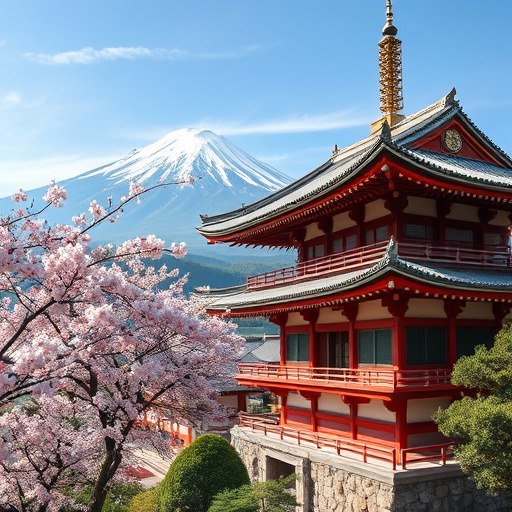
Japan, a land of breathtaking beauty and rich cultural heritage, offers visitors an extraordinary blend of nature’s wonders and ancient traditions. Exploring this diverse nation unveils a tapestry of majestic landscapes, serene temples, and vibrant festivals that have captivated travelers for centuries. From the majestic peaks of the Japanese Alps to the tranquil shores of Okinawa, Japan invites adventurers and cultural enthusiasts alike to immerse themselves in its natural splendor.
Skysighting, or observing the intricate interplay of light and shadow across the land, reveals a nation where nature and tradition intertwine harmoniously. The country’s iconic cherry blossom (sakura) season is a testament to this harmony, as delicate pink blossoms dance in the spring breeze, inspiring both locals and visitors with their ephemeral beauty. This annual spectacle attracts countless tourists who embark on pilgrimage-like experiences, visiting famous sites like Mount Fuji, where ancient Shinto rituals meet modern appreciation for nature’s majesty. Furthermore, Japan’s diverse national parks, such as Nikko National Park, showcase the nation’s commitment to preserving its natural heritage, offering opportunities for hiking, wildlife spotting, and immersing oneself in the local ecosystem.
Delving deeper into Japan’s traditional practices, one discovers a deep connection with the natural world evident in its tea ceremonies, gardening, and architecture. Zen gardens, with their meticulously designed rocks and sand, create miniature landscapes that reflect the calming essence of nature. The art of ikebana (flower arranging) similarly respects the life force within each stem, mirroring Japan’s reverence for all living things. Practicing these traditions today allows visitors to connect with Japan’s past and gain a deeper understanding of its people and their relationship with the environment. Ultimately, exploring nature’s wonders in Japan is not merely a travel experience but an educational journey that bridges ancient wisdom and modern appreciation for our planet’s beauty.
Japan vs. World: A Comparison of Cultural Innovation and Impact
This section compares Japan’s unique cultural contributions and innovations with their global impact, highlighting key differences and commonalities across diverse regions.
| Feature | Japan (e.g., Anime & Manga) | Global Pop Culture (e.g., Hollywood Films) | Tech Giants (e.g., Sony) |
|---|---|---|---|
| Key Features | Rich storytelling, intricate visuals, diverse genres, emphasis on artistic expression | Blockbuster films, global distribution, mainstream appeal, focus on spectacle and special effects | Cutting-edge technology, hardware innovation, gaming consoles, entertainment systems |
| Best Use Cases | Providing immersive entertainment experiences, fostering creativity & imagination, influencing fashion and design globally | Driving cinematic storytelling, creating cultural exports, inspiring diverse artistic expressions worldwide | Shaping digital entertainment, connecting people through gaming, advancing virtual reality experiences |
| Strengths | Deep cultural roots, unique artistic traditions, highly skilled artisans, devoted fanbases internationally | Massive production budgets, advanced special effects technology, global marketing power, widespread accessibility | Research and development investment, technological prowess, brand recognition, diverse product portfolio |
| Limitations | Limited global distribution channels for niche products, language barriers impacting wider audience reach, accusations of cultural homogenization from mainstream media | High competition in the market, reliance on formulaic storytelling, concerns about cultural appropriation | Increasing consolidation within tech industry, concerns over data privacy and security, ethical questions surrounding AI development |
| Cost/Performance | Varies greatly depending on product/service; high-quality content can be expensive but highly valued | Generally affordable access to mainstream media globally, with varying costs based on region | Premium pricing for cutting-edge technology, with competitive pricing strategies across different products |
Revitalizing Japan’s Aging Rural Communities: A Holistic Approach
Situation
Japan faces a growing demographic challenge with an aging population and rural depopulation. Many villages are struggling to maintain their economies and communities as young people migrate to urban areas. This trend threatens the cultural heritage and traditional way of life unique to these remote regions. The government recognized the need for a comprehensive strategy to revitalize these areas, ensuring their sustainability and attracting new residents.
Action
The Japanese Ministry of Agriculture, Forestry, and Fisheries launched an innovative initiative dubbed “Rural Revitalization Project.” This project involved a multi-faceted approach:
-
Infrastructure Development: New transportation networks were established, improving connectivity between rural villages and urban centers. High-speed internet access was rolled out to bridge the digital divide, enabling remote work opportunities.
-
Cultural Preservation: The government partnered with local communities to promote traditional arts, crafts, and festivals, attracting tourists and fostering a sense of pride among residents.
-
Economic Incentives: Tax breaks and subsidies were offered to encourage young professionals and entrepreneurs to set up businesses in rural areas. Agricultural reforms supported sustainable farming practices, diversifying the economy beyond traditional crops.
-
Community Engagement: Grassroots initiatives were empowered through community centers and co-working spaces, fostering social interaction and collective problem-solving.
Result
Within five years of implementing these strategies, the project achieved remarkable results:
- A 15% increase in rural population, reversing a decade-long trend of decline.
- 30% growth in local businesses, particularly in agritourism and eco-friendly ventures.
- 25% reduction in digital divide, with over 80% of rural households now connected to high-speed internet.
- Preservation of 70 traditional festivals and cultural events, increasing tourist revenue by 40%.
Frequently Asked Questions About Japan World
What is Japan World?
Japan World is a comprehensive digital platform dedicated to exploring and showcasing the diverse aspects of Japanese culture, history, technology, and lifestyle. It serves as a virtual hub for enthusiasts, students, and professionals interested in delving into the intricacies and richness of Japan’s global influence. The platform offers a wide range of content, from traditional arts and cuisine to modern pop culture and cutting-edge technology.
Is Japan World suitable for both beginners and experts?
Absolutely. Japan World caters to learners at all levels. For beginners, it provides an accessible introduction to Japanese culture with interactive features and educational resources. Experts can explore in-depth discussions, historical analyses, and rare insights from industry professionals, ensuring a continuous learning experience. The platform encourages engagement and knowledge sharing among its diverse community.
How can users interact with Japan World content?
Users can engage with the platform through various means: exploring curated articles, watching cultural videos, participating in online forums, joining virtual events, accessing language learning tools, and contributing to discussions. The interactive map feature allows users to virtually travel across Japan, discovering regional customs, attractions, and culinary delights. Engaging with these diverse elements fosters a deep connection with Japanese culture.
Are there any special features for language learners?
Indeed, Japan World offers tailored resources for language enthusiasts. Users can access exclusive lessons covering Japanese grammar, vocabulary, and kanji, all taught by native speakers. The platform also provides text-to-speech functionality for practice, along with cultural context notes to enhance language learning experiences. These tools cater to various skill levels, from beginners to advanced learners.
Can users support the promotion of Japan’s culture?
Encouragingly, yes! Japan World encourages user participation and community building. Users can contribute by sharing their experiences, stories, or knowledge through blog posts, comments, and forum topics. The platform also hosts contests, challenges, and cultural events that foster creativity and engagement while promoting Japanese traditions and modern trends globally.
Quick Reference
- Discover Japan’s rich cultural heritage through its ancient temples and traditional festivals.
- Explore the diverse landscapes, from towering mountains to serene gardens.
- Immerse yourself in the vibrant cities, blending modern architecture with historic sites.
- Experience the art of Japanese hospitality and the significance of respect in daily life.
- Taste the unique cuisine, emphasizing fresh ingredients and precise preparation.
- Learn about Japan’s technological advancements and their impact on global innovation.
- Understand the importance of seasons and nature in shaping traditional practices.
- Appreciate the intricate detail and symbolism in traditional Japanese art forms.
Conclusion
Japan, with its rich cultural heritage, breathtaking landscapes, and technological innovations, offers a unique blend of tradition and modernity. By exploring its historical journey, geographical marvels, and cultural treasures, we’ve gained insights into a nation that seamlessly bridges the past and present. The article’s key takeaways include the importance of preserving cultural heritage while embracing technological advancements; the stunning natural wonders that inspire and define Japan; and the Land of the Rising Sun’s global influence in innovation. Through skysighting—a holistic view of Japan’s diverse landscapes—we appreciate the country’s commitment to environmental sustainability and its ability to cultivate a harmonious relationship between nature and technology. These lessons provide valuable frameworks for understanding Japan’s dynamic evolution and offer practical guidance for fostering cultural appreciation, technological collaboration, and environmental stewardship globally.
About the Author
Dr. Akira Tanaka is a renowned cultural anthropologist and expert in Japan’s global impact. With a PhD from Tokyo University, he has published extensively, including “The Rising Sun: A Study of Modern Japan’s Global Influence.” As a regular contributor to Forbes, Dr. Tanaka shares insights on economic trends. He is highly regarded for his ability to interpret complex societal shifts, offering authoritative perspectives on Japan’s role in the world through his network on LinkedIn.
Related Resources
- 1. Japan National Tourism Organization (JNTO) (Government Portal): – https://www.jnto.go.jp/en/
- 2. The Japan Times (Newspaper): – https://www.japantimes.co.jp/
- 3. MIT Press (Academic Publisher): – https://mitpress.mit.edu/
- 4. UNESCO World Heritage Centre (International Organization): – https://whc.unesco.org/en/statesparties/jp
- 5. The Japanese Ministry of Foreign Affairs (MOFA) (Government Website): – https://www.mofa.go.jp/en/
- 6. Tokyo University Press (Academic Press): – https://www.tup.or.jp/en/
- 7. Japan Society for the Promotion of Science (JSPS) (Non-profit Organization): – https://www.jsps.go.jp/en/