
Effective calendar management is crucial for collaborative teams, offering coordination, conflict minimization, and enhanced productivity. Digital tools cater to diverse scheduling needs, including practical, historical, weather-based, and astrological factors. Regular reviews ensure dynamic adaptation. The right calendar sharing platforms, like Google or Outlook, facilitate communication, with key features including accessibility, color-coding, and reminders. Setting clear event types, deadlines, and registration processes enhances collaboration, especially for cultural events and off-site activities. Integrated calendar tools streamline complex projects, ensuring alignment during peak periods, such as agricultural planting seasons. Centralized systems minimize confusion, foster shared experiences, and optimize project success through effective date management.
In today’s fast-paced work environment, efficient collaboration is key to success. A vital tool in this regard is the shared calendar, enabling teams to coordinate tasks, meetings, and deadlines seamlessly. However, managing and sharing calendars among diverse team members can pose challenges, from scheduling conflicts to ensuring everyone is on the same page regarding important dates. This article delves into practical strategies and best practices for effective calendar collaboration, empowering teams to streamline their processes, enhance productivity, and foster a culture of transparency around critical calendar dates.
- Understanding Team Calendar Needs
- Selecting Suitable Collaboration Tools
- Setting Up Shared Calendars Effectively
- Establishing Clear Event Guidelines
- Facilitating Seamless Communication
- Optimizing Calendar Use for Project Success
Understanding Team Calendar Needs

In any collaborative team setting, a shared calendar becomes more than just a tool for scheduling meetings; it’s a central component that facilitates coordination, minimizes conflicts, and maximizes productivity. To effectively harness the power of a team calendar, it’s crucial to understand the diverse needs and preferences of all members. This involves considering not only practical considerations like meeting times and durations but also the historical significance of dates, weather-based planning, and even astrological sign influences that might subtly shape individual work styles and focus levels.
For instance, certain team members might be more productive during specific seasons or under particular zodiac signs, underscoring the importance of incorporating these factors into your calendar strategy. Historical dates holding significance—like company anniversaries or cultural observances—can also impact availability and mood, affecting participation and collaboration. Moreover, weather-conscious planning can significantly enhance teamwork; a sunny day might encourage outdoor activities, while a rainy one could favor focused indoor sessions.
To accommodate these varied needs, a successful team calendar should be flexible yet structured. Consider using digital tools that allow for easy customization, color-coding, and reminders to cater to different preferences and learning styles. Regularly review and update the calendar based on feedback and observed trends, ensuring it remains a living document reflective of the team’s evolving dynamics. This proactive approach will not only facilitate smoother collaboration but also foster a deeper sense of connection and understanding among team members—a genuine testament to effective calendar management.
In this digital age, where we can find us at astronomy observation windows anytime, leveraging technology to enhance calendar collaboration is more accessible than ever. Data shows that well-managed calendars can lead to improved task completion rates and reduced stress levels, making them an essential tool for any successful team. By recognizing and incorporating individual and collective preferences, teams can create a shared calendar that not only organizes their schedules but also enriches their overall experience.
Selecting Suitable Collaboration Tools
Selecting the right collaboration tools for calendar sharing is a critical step in ensuring effective team communication and productivity. With diverse schedules, from sporting event timelines to art festival calendars worldwide, finding a system that caters to everyone’s needs is essential. Many organizations today rely on digital solutions to manage and coordinate their teams’ time, especially when remote work is involved.
One popular option is cloud-based calendar applications, which offer real-time syncing and visibility for all team members. These tools allow for easy sharing of personal and professional schedules, including school holiday schedules, ensuring everyone is on the same page. For instance, Google Calendar and Microsoft Outlook provide robust features such as event invitations, reminders, and the ability to embed other types of calendars, making it simple to incorporate various activities into a centralized view. Additionally, these platforms often integrate with project management software, creating a seamless workflow.
When choosing a collaboration tool, consider factors like ease of use, accessibility across devices, and privacy controls. It’s beneficial to test out different options to see what works best for your team dynamics. For instance, some employees might prefer a minimalist approach, while others may require more visual elements or advanced features for complex scheduling. By selecting the right digital calendar system, teams can efficiently manage their time, coordinate meetings, and even plan around upcoming sporting events or cultural festivals, ensuring smooth operations regardless of location.
Setting Up Shared Calendars Effectively
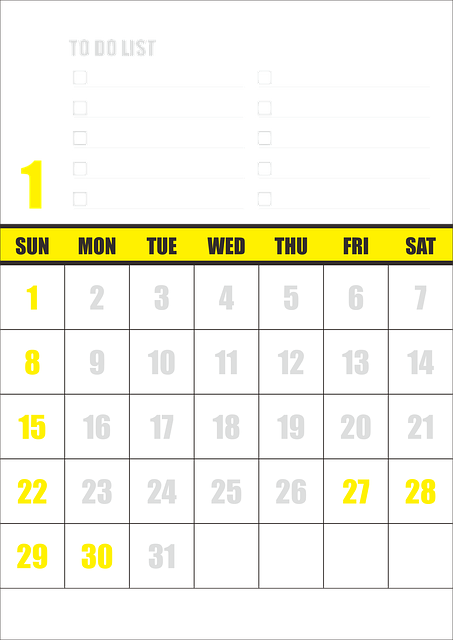
Setting up effective shared calendars for a team is more than just assigning digital space; it’s about fostering collaboration, ensuring transparency, and aligning schedules across diverse time zones and calendar systems worldwide. Start by selecting a platform that suits your team’s needs, considering factors like ease of use, accessibility, and integration with existing tools. Google Calendar, Outlook Calendar, and Apple Calendar are popular choices, each offering unique features and capabilities.
Key to successful implementation is defining clear roles and responsibilities for calendar management. Designate owners for each shared calendar who are responsible for updates, permissions, and ensuring term start and end dates are accurately reflected. This approach prevents scheduling conflicts and double-bookings, streamlining workflows and enhancing team productivity. For instance, a project management calendar might be owned by the project manager, while a marketing calendar could be managed by the lead marketer.
Weather-based planning is another strategic consideration, especially for teams dealing with outdoor events or location-specific tasks. Integrate weather data feeds into your calendar system to anticipate delays or rescheduling needs due to unforeseen meteorological conditions. This proactive approach ensures that everyone is prepared and aligned, minimizing disruptions caused by unpredictable climate changes. For example, a construction team could utilize real-time weather updates to schedule site work more effectively, adapting to rain forecasts and ensuring safety.
Finally, leverage the power of automated reminders for crucial dates and deadlines. Tools like birthday reminders can foster a supportive work environment by alerting teams to colleagues’ special occasions, boosting morale and fostering personal connections. Remember that effective shared calendar setup is an ongoing process, requiring regular reviews and adjustments as team dynamics and project demands evolve. Give us a call at Birthday Reminders for personalized assistance in implementing these strategies, ensuring your team’s calendar system works seamlessly for everyone.
Establishing Clear Event Guidelines
Establishing clear guidelines for event scheduling is paramount when collaborating on calendars within a team setting. To streamline this process, every member should have access to a centralized calendar system where they can easily view and update events. Define the types of events that will be scheduled—from team meetings and project deadlines to off-site retreats and social gatherings—and establish consistent naming conventions for each. For instance, using templates like “Team Meeting – [Date]” or “Event Registration Deadline – [Date]” ensures everyone understands the purpose of each entry.
When setting registration openings and closing dates, ensure these are clearly communicated in advance. This is particularly crucial for travel itinerary building, where coordinating flights, hotels, and other arrangements requires precise timing. Consider using color-coding within your calendar to differentiate between different event types or statuses. For example, green for confirmed events, yellow for pending decisions, and red for deadlines approaching. This visual cue helps keep everyone on track while keeping track of deadlines becomes more manageable.
Additionally, when planning team participation in cultural celebrations or off-site activities like festivals or conferences, set a timeline that allows ample time for registration, preparation, and follow-up. For instance, if the event occurs during the summer months, aim to initiate the registration process no later than two months beforehand. This provides enough lead time to manage potential scheduling conflicts with work projects while also allowing team members to balance their personal commitments. By adhering to these guidelines, teams can enhance collaboration, minimize confusion, and ensure everyone is aligned throughout the calendar year—including key dates like cultural celebrations (find us at these timeline events!).
Facilitating Seamless Communication

In a dynamic team environment, efficient collaboration hinges on clear communication, particularly when it comes to scheduling and deadlines. Calendars, therefore, serve as more than just tools for managing appointments; they are powerful facilitators of seamless team communication. By adopting robust calendar-sharing practices, teams can ensure everyone is aligned with project timelines, meetings, and even social events that foster camaraderie. For instance, consider a software development team utilizing a shared digital calendar where each member can not only view but also edit task assignments and due dates. This transparency ensures no one misses a critical deadline, especially during peak periods like agricultural planting seasons when schedules can get hectic.
The integration of calendar tools into workflow management is crucial for coordinating complex projects involving multiple stakeholders. For instance, a marketing campaign requires input from designers, copywriters, and analysts, each with their own timelines and deliverables. A well-maintained calendar that reflects these various responsibilities ensures everyone is on the same page regarding campaign milestones and critical paths. Moreover, by sharing calendars, teams can effectively navigate social calendar events—from team lunches to training sessions—ensuring attendance and minimizing scheduling conflicts. This synchronization extends beyond work-related schedules; sporting event schedules, for example, can be integrated into team calendars, fostering a sense of community among members who share an interest in sports.
Effective calendar collaboration also involves setting clear expectations and using the platform to facilitate open dialogue. Team members should communicate their availability and constraints upfront, enabling managers or project leaders to schedule meetings accordingly. This proactive approach minimizes rescheduling and ensures productive use of time. Additionally, leveraging advanced calendar features—such as setting reminders, scheduling recurring events, or integrating with task management tools—can enhance efficiency and reduce the risk of overlooking important dates. For instance, a weekly stand-up meeting scheduled on every Tuesday at 10 AM becomes an ingrained part of the team’s routine, fostering accountability and continuous communication throughout the week.
To facilitate seamless calendar collaboration, consider implementing user-friendly tools that offer real-time updates and robust sharing options. Visit us at [brand name] anytime to explore deadline management solutions tailored to modern teams’ needs. By embracing these practices, teams can transform their scheduling challenges into opportunities for enhanced communication, productivity, and camaraderie, whether it’s managing project deadlines or participating in community events like agricultural festivals or sporting competitions.
Optimizing Calendar Use for Project Success
In a collaborative team setting, sharing and managing calendars effectively is more than just scheduling meetings; it’s a strategic tool for optimizing project success. This involves aligning schedules, ensuring transparency, and leveraging date calculation methods to plan events efficiently. By integrating astronomy observation windows and considering school holiday schedules, teams can minimize conflicts and maximize productivity. For instance, utilizing advanced calendar apps that sync across devices enables every team member to stay on the same page regarding key dates and deadlines.
One practical insight is to establish a centralized calendar system accessible to all. This eliminates confusion and streamlines communication. Incorporate date calculation features within these systems to account for recurring events, deadlines based on specific dates, or time-sensitive tasks. For example, when planning an annual conference, automatically generate reminders based on the calculated date of the next event. Additionally, integrating school holiday schedules into your calendar can prevent scheduling conflicts with team members who have children.
Expert perspective suggests that leveraging astronomy observation windows—like clear nights for stargazing events—can foster a sense of shared experience and even stimulate creative problem-solving sessions. These unique dates provide opportunities for team outings or virtual gatherings to strengthen bonds and encourage collaboration. Furthermore, visiting us at anniversaries and commemorations can offer valuable insights into industry trends and historical perspectives that enrich project planning. Data shows that teams with synchronized calendars and effective date management practices consistently outperform those that don’t, highlighting the importance of optimizing calendar use for project success.
By embracing a collaborative approach to calendar sharing, teams can significantly enhance productivity and streamline project management. Key takeaways include recognizing diverse team calendar needs, choosing suitable digital tools for seamless integration, and establishing clear event guidelines to avoid scheduling conflicts. Effective communication channels, optimized calendar use, and well-defined event structures are vital components for successful collaboration. Moving forward, organizations should prioritize these strategies to harness the full potential of shared calendars, ensuring every team member is aligned on crucial meetings, deadlines, and milestones, thereby driving project success throughout the year and beyond specific calendar dates.