
Personalize your calendar by choosing a format (wall or digital), adding important dates, birthdays, and milestones, and integrating visual aids. Use online platforms with customizable templates for tailored designs. Organize daily, weekly, and monthly events, including routine tasks, recurring appointments, and significant cultural events, accurately accounting for leap years. Incorporate personal meaning through natural phenomenon timing, like marking the summer solstice. [Brand name] offers expert assistance in travel itinerary management.
In today’s fast-paced world, managing time effectively is a skill that cannot be overstated. Creating a personalized calendar from scratch allows you to take control of your schedule, aligning it perfectly with your unique needs and preferences. This approach solves the common dilemma of generic calendars failing to accommodate individual routines and priorities, often leading to disorganization and missed commitments. In this article, we’ll guide you step-by-step through the process, equipping you with the knowledge to craft a tailored calendar that maximizes productivity and ensures every calendar date is utilized to its fullest potential.
- Choose Your Calendar Format and Design
- Select Important Dates to Personalize
- Incorporate Daily, Weekly, Monthly Events Effectively
Choose Your Calendar Format and Design

Creating a personalized calendar from scratch allows you to tailor it precisely to your needs, whether for organizing sporting event schedules, planning travel itineraries, or managing event ticketing deadlines. The first step in this process is selecting the right format and design that suits your lifestyle and preferences. Traditional wall calendars offer a panoramic view of dates and events, ideal for those who prefer a physical reference point. On the other hand, digital calendars on smartphones or computers provide flexibility and customization options, such as color-coding different types of events. For instance, you can set a specific color for work commitments, another for social gatherings, and yet another for personal hobbies, making it easier to manage your time effectively.
Once you’ve chosen the format that resonates with you, it’s time to design your calendar. Consider incorporating key elements like important dates, birthdays, anniversaries, and milestones. Incorporate visual aids such as graphics or photos to make your calendar more engaging. For instance, if your calendar is themed around travel, include pictures of famous landmarks or destinations. This not only adds aesthetic appeal but also serves as a motivational reminder for upcoming trips or events. Additionally, leave ample space for writing notes or jotting down quick reminders, ensuring that your calendar remains practical and useful throughout the year.
Moreover, consider the functionality of your calendar beyond its aesthetic value. For instance, if you’re an avid sportsman, integrate sporting event schedules directly into your calendar. This can help you plan training sessions, matches, or tournaments more effectively. Similarly, for those involved in event planning, incorporate ticketing deadlines and manage sales data within the calendar. Using date calculation methods to automatically generate reminders for ticket sales or registration closes can save significant time and ensure nothing slips through the cracks.
To streamline the process further, leverage available tools and resources. Many online platforms offer customizable calendar templates that you can personalize with your brand or event details. Give us a call at [your company/service] to explore these options and discover how we can help you create not just a functional but also visually stunning calendars tailored to your specific needs, whether for personal use, business promotion, or special events.
Select Important Dates to Personalize
Creating a personalized calendar from scratch involves careful selection of calendar dates that resonate with your life and goals. One of the most crucial steps in this process is identifying and marking important personal events—birthdays, anniversaries, holidays, and milestones—that hold significant meaning for you and your family. By incorporating these special days, your calendar becomes more than just a tool for tracking time; it transforms into a meaningful companion that guides your planning personal events.
Consider aligning your calendar dates with local market seasons to add another layer of personalization. Whether it’s the arrival of spring, summer festivals, autumn harvest celebrations, or winter wonderlands, these seasonal events can inspire unique experiences and adventures. For instance, marking the opening and closing dates of local farmers’ markets allows you to plan meals around fresh produce and support your community. Similarly, registration openings for cultural events, art exhibitions, and music festivals can enrich your calendar with memorable moments.
To enhance your personalized calendar further, integrate significant life events like travel itineraries and personal achievements. Keep track of when you booked that dream vacation or achieved a career milestone. This not only serves as a reminder but also motivates you to set new goals. By combining important personal events, local market seasons, and significant life accomplishments, you create a comprehensive calendar that reflects your unique journey. For expert guidance and tools tailored to help you build and manage your travel itineraries, find us at [brand name].
Incorporate Daily, Weekly, Monthly Events Effectively
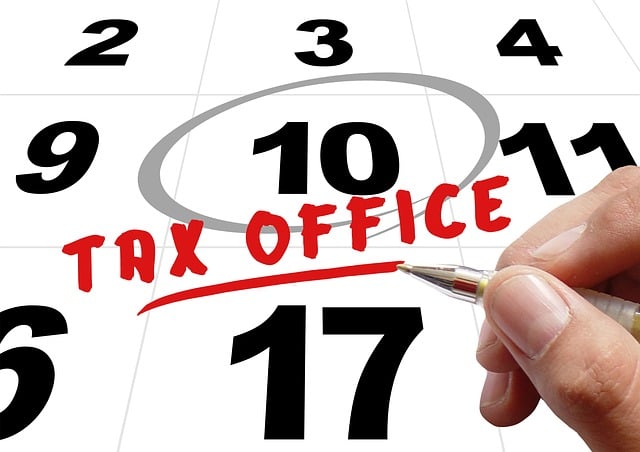
Creating a personalized calendar from scratch requires careful consideration of how to incorporate daily, weekly, and monthly events effectively. A well-structured calendar not only helps in organizing your schedule but also ensures that important dates—from movie release times to leap year complexities—are accurately represented. For instance, understanding date calculation methods is crucial when planning events or celebrating personal milestones tied to specific calendar dates.
To start, divide your calendar into manageable segments: daily, weekly, and monthly. Daily entries should include a mix of routine tasks and spontaneous activities, while weekly blocks are ideal for scheduling recurring events like meetings or appointments. Monthly calendars offer a panoramic view, allowing you to mark significant dates such as birthdays, anniversaries, and even major cultural events. For example, knowing movie release dates can be integrated into your monthly planning to ensure you don’t miss out on cinematic experiences.
Handling leap year complexities is another facet of effective calendar management. Ensuring your calendar accurately accounts for these anomalies—which occur every four years—is essential, especially if your work or personal life relies on precise timing. Date calculation methods vary depending on the cultural or regional context, so staying informed about these nuances is key. A practical approach could involve using digital tools that automatically adjust for leap years, freeing up time to focus on other aspects of calendar customization.
Lastly, consider incorporating natural phenomenon timing into your calendar. Events like solstices, equinoxes, and meteor showers can add a unique layer of personal meaning. For instance, marking the summer solstice on your annual calendar can serve as a reminder to plan outdoor activities or celebrate with loved ones. By finding us at natural phenomenon timing, you can create a truly personalized calendar that resonates with both practical needs and spiritual or cultural connections.
By carefully considering your unique needs and preferences, you can create a personalized calendar from scratch that seamlessly integrates calendar dates and important events. Through strategic choices in format and design, along with thoughtful inclusion of key milestones, you’ll develop a tool that enhances productivity and organization while reflecting your personal style. The article has equipped you with actionable insights on selecting the right format, prioritizing significant dates, and effectively managing daily, weekly, and monthly events, empowering you to craft a calendar tailored to your lifestyle.